

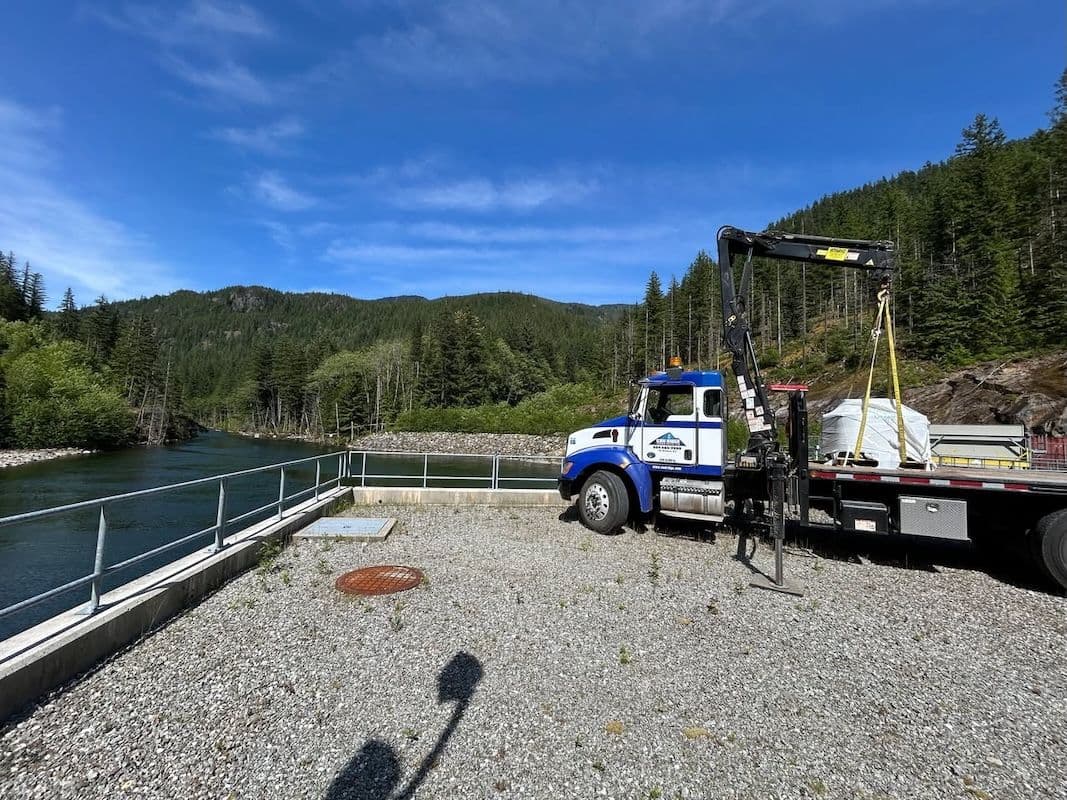
For many shipments, the decision comes down to three common options: Less-Than-Truckload (LTL), Full Truckload (FTL) or hotshot delivery. The right choice of logistics company depends on how much you are shipping, how quickly it needs to arrive, what you are moving and whether the shipment needs its own truck.
Here is a simple guide to help you understand the difference.
What Is LTL Shipping?
LTL stands for Less-Than-Truckload. With LTL logistics & shipping, your freight only takes up part of a truck. The remaining space may be used for shipments from other customers travelling in the same direction.
LTL is often a good option for:
- Smaller shipments
- A few pallets
- Regular commercial freight
- Loads that do not need an entire trailer
- Deliveries that are not extremely time-sensitive
What Is FTL Shipping?
FTL stands for Full Truckload. With FTL shipping, the truck or trailer is dedicated to your shipment. You don't necessarily need to fill every inch of the trailer. A dedicated truck may still make sense when your freight is large, heavy, valuable or needs to travel directly from pickup to delivery.
FTL is often a good choice for:
- Large shipments
- Multiple pallets
- Heavy equipment
- Construction materials
- Freight that needs a dedicated trailer
- Loads with specific pickup and delivery times
- Freight that should have less handling along the way
Because the shipment stays on the same truck, FTL can also reduce the amount of loading and unloading during transportation.
What Is Hotshot Shipping?
Hotshot shipping is designed for urgent or time-sensitive freight. Instead of waiting for a regular freight schedule, the shipment is picked up and moved directly to its destination as quickly as possible.
Hotshot delivery can be useful when:
- A jobsite needs a part immediately
- Equipment is down and production has stopped
- A delivery was missed
- Replacement materials are urgently needed
- A shipment has a tight deadline
- Waiting for normal freight service could cause costly delays
Hotshot shipping is often used for smaller loads, but the most important factor is usually speed.
LTL vs FTL vs Hotshot at a Glance
Choose LTL when:
You have a smaller shipment and don't need an entire truck.
Choose FTL when:
You have a larger shipment or want a truck dedicated entirely to your freight.
Choose Hotshot when:
Getting the shipment there quickly is more important than using the lowest-cost shipping option.
Does the Size of the Shipment Decide Everything?
Not always. Shipment size is important, but there are other things to consider. A relatively small shipment may still be better suited to a dedicated truck if it is fragile, valuable or needs to arrive at a specific time. Likewise, a small part may require hotshot delivery if a construction project or piece of industrial equipment cannot continue without it.
When choosing a freight option, consider:
- Size
- Weight
- Delivery deadline
- Pickup location
- Delivery location
- Type of freight
- Loading requirements
- Unloading requirements
- How much handling is acceptable
- Whether the shipment needs to travel directly
The cheapest option is not always the best option if a late delivery creates bigger costs somewhere else.
What About Oversized or Heavy Freight?
Large or unusual freight may require more than simply choosing between LTL and FTL. Heavy machinery, industrial equipment and oversized materials may need specialized trailers such as flat decks, step decks or lowbeds. The shipment may also require route planning, permits or special loading and unloading equipment. This is why providing accurate dimensions, weight and shipment details is important when requesting a freight quote. A logistics provider can then determine both the right shipping method and the right equipment for the load.
Can You Ship LTL or FTL Across the Canada-U.S. Border?
Yes. Both LTL and FTL freight can move between Canada and the United States. Cross-border shipments may require additional paperwork and coordination, especially when moving industrial equipment, oversized freight or unusual loads.
If you do not regularly ship across the border, working with a logistics provider that handles Canada-U.S. freight can make the process much easier.
Which Freight Option Is Usually Cheapest?
For smaller shipments, LTL will often make more sense because you are sharing trailer space. For larger shipments, FTL may provide better value because you are moving more freight on one dedicated truck. Hotshot shipping normally puts speed ahead of cost, making it most useful when delays could cause a larger problem.
What Information Should You Have Before Requesting a Freight Quote?
Try to provide:
- Pickup location
- Delivery location
- Freight description
- Number of pieces or pallets
- Dimensions
- Weight
- Required delivery date
- Loading information
- Unloading information
- Any special handling requirements
Photos can also be helpful when shipping machinery, equipment or unusual freight.
Not Sure Which Freight Option You Need?
You don't need to know whether your shipment should move by LTL, FTL or hotshot before contacting a logistics provider. That is part of the planning process.
Can Ridge Logistics coordinates LTL, full truckload, hotshot, oversized and specialized freight throughout Canada and the United States.
Whether you are shipping a few pallets, construction materials, industrial equipment or an urgent replacement part, the Can Ridge team can review the details and help determine the best transportation option for your load.
Contact Can Ridge to discuss your shipment and request a freight quote.