

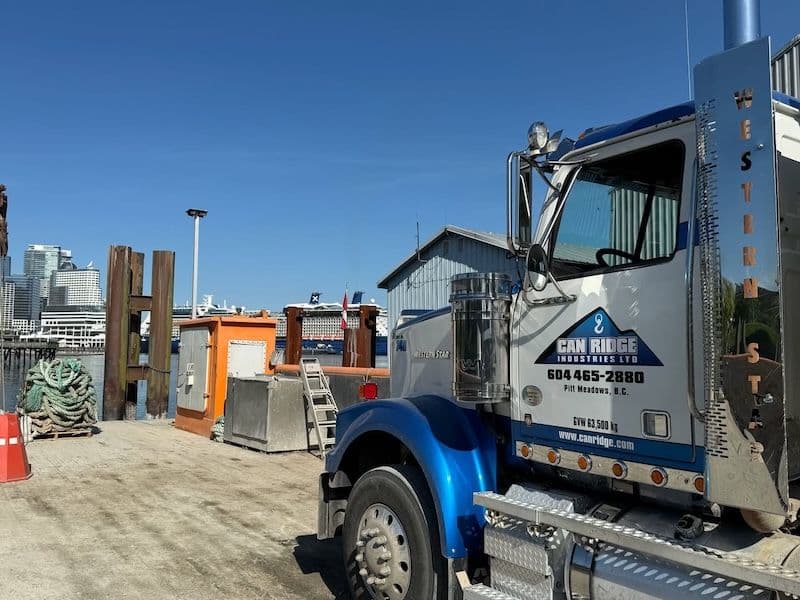
Cross-border freight sounds complicated, but most shipments follow a fairly straightforward process with a logistics company. The industrial freight needs to be properly described, the right transportation needs to be arranged, the required paperwork needs to be ready, and everyone involved needs to know where the shipment is going and when it needs to arrive. For a standard load, that process can be relatively routine. For oversized equipment, machinery or project freight, there may be a few more pieces to coordinate.
Before the Truck Is Booked
Your logistics provider will first need the basic shipment details:
- What you are shipping
- Pickup and delivery locations
- Weight and dimensions
- Number of pieces
- Pickup date
- Required delivery date
- How the freight will be loaded and unloaded
Who Handles the Customs Paperwork?
This is one of the first questions businesses ask when shipping between Canada and the United States. Several parties can be involved.
The Shipper
The business sending the freight provides information about the goods, including what they are, their value, origin and destination.
The Customs Broker
A customs broker can help prepare and submit the information required to clear goods into the destination country.
The Carrier
The carrier physically transports the freight and needs the correct shipment and customs information before arriving at the border.
The Logistics Provider
A logistics provider helps keep those pieces coordinated so the transportation schedule and border requirements line up. Can Ridge assists with cross-border transportation planning, permitting, documentation and delivery coordination for shipments moving between Canada and the United States.
What Paperwork Do You Need?
Commercial shipments commonly need information showing:
- What the goods are
- What they are worth
- Where they came from
- Who is sending and receiving them
Certain goods may also require additional permits, certificates or reporting. The Canada Border Services Agency recommends determining these requirements before goods are exported rather than trying to resolve them once the shipment is already moving.
The Truck Is Loaded — What Happens Next?
Once the freight is ready and the documentation has been coordinated, the carrier picks up the load. For standard freight, the truck may simply travel its planned route toward the border. For a larger or unusual load, there can be a little more work involved.
Oversized Freight Changes the Plan
An oversized load may require:
- Specialized trailers
- Permits
- Route planning
- Pilot vehicles
- Height or width checks
- Special loading equipment
What Happens at the Border?
When the truck reaches the border, the shipment information is reviewed as part of the customs process. If everything is in order, the truck can continue into the destination country. If information is missing, incorrect or needs further review, the shipment can be delayed.
Where Do Cross-Border Shipments Usually Get Complicated?
- Incorrect Measurements
- Missing Information
- Last-Minute Changes
- Difficult Pickup or Delivery Sites
- No Plan for Unloading
What If the Freight Needs to Stop Along the Way?
Freight may need to be:
- Stored temporarily
- Combined with another shipment
- Transferred to different equipment
- Staged until a jobsite is ready
- Held before final delivery
This is where services such as warehousing, cross-docking and final-mile delivery can become part of the larger logistics plan. Can Ridge provides cross-border freight coordination alongside warehousing, cross-docking, transportation and final-mile delivery services.
Cross-Border Freight Doesn't Have to Be Complicated
For businesses that don't regularly ship between Canada and the United States, the border can feel like the difficult part. Often, the bigger challenge is simply making sure transportation, paperwork, timing, equipment and delivery are all working from the same plan. Have a load that needs to cross the border? Contact Can Ridge with the pickup location, destination and shipment details, and the team can help you plan the next step.